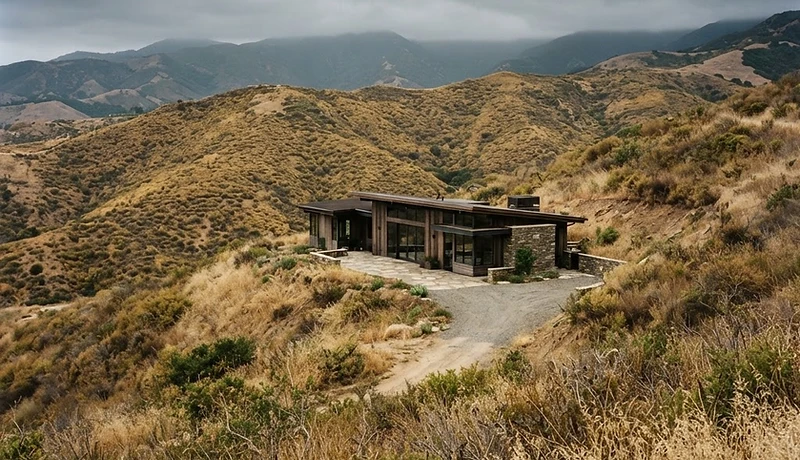
Unoccupied homes, still covered.
Coverage considerations for vacant and unoccupied properties — where standard occupancy-based policies may not always apply.
A vacant or unoccupied home can present different risks than an occupied one. Coverage options may address fire, vandalism, theft, and liability, and may include specific limitations — particularly around water-related losses. We help you understand what's available based on how long the property may be unoccupied.
Unoccupied Home Coverage
Coverage options for homes that are unoccupied for an extended period, where standard occupancy-based policies may not apply.
Fire
Coverage for fire-related losses to the vacant property, subject to policy terms and exclusions.
Vandalism & Malicious Mischief
Coverage options may include vandalism and malicious mischief, which can be a concern for unoccupied properties.
Theft
Coverage for theft-related losses, subject to policy terms, limits, and exclusions.
Liability
Liability protection related to the property while it is vacant, subject to policy limits.
Water Damage Limitations
Vacant property policies may include specific limitations on water-related losses; we help explain what may and may not be covered.
Renovation Periods
Properties undergoing renovation may be considered vacant and may require different coverage, including builder's risk in some cases.
Vacancy Underwriting Requirements
Carriers may set vacancy thresholds — such as the number of days unoccupied — that affect eligibility and available coverage.
Vacancy can change what's available.
Most standard homeowners and landlord policies are built around occupied properties. When a home is unoccupied beyond a carrier's threshold, coverage options and eligibility can change.
Vacant property policies may address fire, vandalism, theft, and liability, but often include specific limitations — particularly around water-related losses. Properties under renovation may be treated as vacant and may require builder's risk or course-of-construction coverage depending on the scope of work.
Vacancy Thresholds
Most standard policies assume the property is occupied. Once a home is unoccupied beyond a carrier's threshold — often 30 to 60 days — coverage options and eligibility can change.
Water-Related Limitations
Vacant property policies often include specific limitations on water-related losses, which can be a particular concern for unoccupied homes.
Renovation & Vacancy
Properties under renovation may be treated as vacant and may require builder's risk or course-of-construction coverage depending on the scope of work.
Available Markets
We review multiple standard and specialty markets to help identify options that may be available for a vacant or unoccupied property.

Insure a vacant property.
Tell us about the property and how long it may be unoccupied, and we'll help you review available coverage options.